Loading...
Serving Delano, CA and surrounding areas. (661) 553-7018
Hard water, agricultural dust, and months of intense valley sun eat through unsealed concrete. We seal your driveway or patio correctly so it stays cleaner, longer.
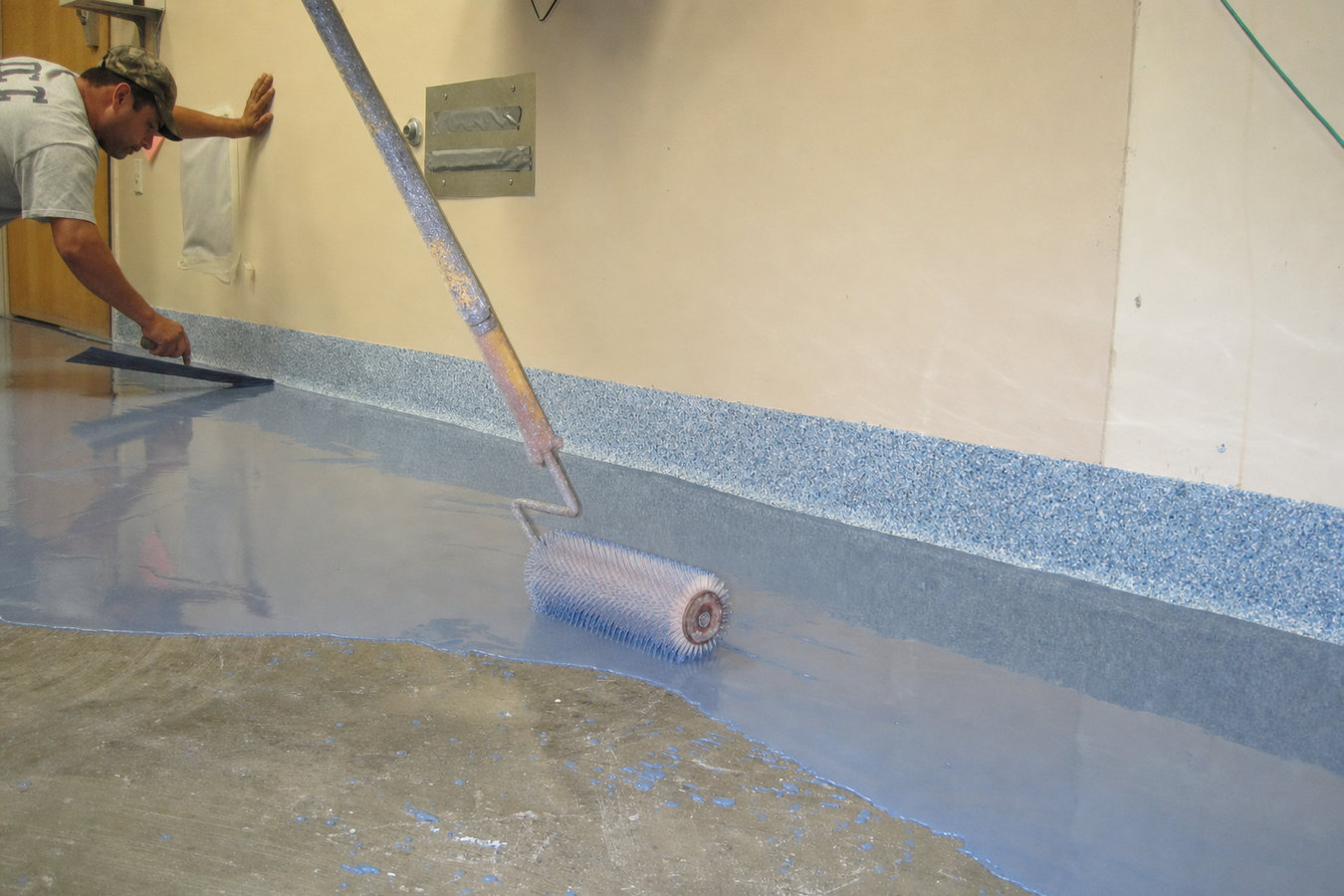
Concrete sealing in Delano applies a thin protective barrier to your driveway, patio, or slab, blocking water, oil, mineral deposits, and surface abrasion from getting into the concrete itself - most residential jobs are completed in a single day, with the surface ready for foot traffic within 24 hours.
Think of it as the difference between a sealed and an unsealed cutting board. The unsealed one absorbs everything - stains, bacteria, moisture. The sealed one stays clean because nothing can soak in. Concrete works the same way. In Delano, where hard irrigation water and agricultural dust are constant, an unsealed slab absorbs all of it.
If your slab has surface damage or old coatings, it may need polished concrete or a full prep grind before sealing. We assess the surface first so the sealer we apply has a clean foundation to bond to.
Pour a small cup of water on your driveway or patio. If it soaks in within a few seconds and darkens the concrete, the sealer is gone or was never applied. Properly sealed concrete makes water bead up and sit on the surface, the same way it beads on a freshly waxed car.
White or grayish deposits that form after irrigation water dries are mineral buildup soaking into the surface. In Delano, where the water is hard and irrigation is heavy in summer, this happens faster than in most places. Sealing stops those minerals from penetrating and makes the surface far easier to keep clean.
Concrete that has spent years in the San Joaquin Valley sun often develops a chalky, worn-out look. If your driveway or patio looks dull and feels rough or gritty underhand, the surface layer is breaking down. Sealing at this stage can restore the appearance and stop further deterioration.
Small cracks that look like a spider web across the surface signal that the concrete is drying out and starting to fragment at the top. Left alone, those cracks grow - especially through summer heat cycles. Catching them now with crack filler and a fresh seal is far less expensive than waiting for full replacement.
Every sealing job starts with thorough preparation - pressure washing, degreasing any oil spots, and filling cracks with a flexible filler before the sealer goes on. Applying sealer to a dirty or cracked surface is the number one reason sealers fail within a year, so we do not take shortcuts on prep. We also account for Delano's climate by applying sealer in the right conditions - early morning on hot summer days, or during the spring and fall windows when temperatures allow the product to cure evenly.
For clients looking to protect a slab long term, sealing pairs naturally with concrete resurfacing and overlays when the surface has cosmetic damage, and with polished concrete flooring when homeowners want a finished interior look with built-in surface protection.
Best for driveways, patios, and walkways that need durable protection without changing how the surface looks - the sealer soaks in and protects from within.
Right for homeowners who want a slight sheen or color enhancement on their concrete in addition to protection, with optional non-slip additive for safety.
Ideal for older Delano slabs with fine surface cracks that need flexible filler and a fresh protective coat before the next hot season.
For slabs that were sealed within the last few years and need a refresh - typically a quicker, more affordable job than starting from bare concrete.
Delano's combination of hard water, intense UV exposure, and agricultural surroundings creates a uniquely tough environment for concrete. The water supply in Kern County carries high mineral content, and when that water dries on an unsealed slab - from irrigation runoff, sprinklers, or a garden hose - it deposits white chalky residue that gradually works into the surface. Sealing does not undo staining that is already deep in the concrete, but it creates a barrier that stops new mineral penetration and makes the surface easy to rinse clean. Many homeowners in established Delano neighborhoods find that their older slabs have never been sealed, or were last sealed years before the current owner purchased the home.
The seasonal timing of sealing also matters here more than in most California cities. Applying sealer during peak summer heat - which can push concrete surface temperatures well above the air temperature - causes the product to cure too fast and unevenly. We work with homeowners in Wasco and Earlimart to schedule sealing in the right window so the product bonds correctly and lasts as long as it should.
We respond within one business day. Tell us the size of the area and whether the concrete has any visible cracks or old sealer peeling - that gives us enough to estimate whether a quick site visit is needed before we quote.
Our on-site assessment is free. We look at the surface condition, note any cracks or staining, and confirm the right sealer type for your situation. You will receive a written quote explaining exactly what the job includes and what it costs - no estimates that balloon later.
On the day of work, we pressure wash the surface, treat any oil stains with degreaser, and fill cracks before a drop of sealer goes on. This prep stage is the most important part of the job. We apply the sealer in thin, even coats - never one thick layer that risks bubbling or turning white.
We will tell you when the surface is safe for foot traffic - typically 24 hours - and when vehicles can return, usually 48 to 72 hours. We also let you know when to plan for your next resealing, so you are not guessing and letting the protection lapse.
Free estimate, no pressure. We respond within one business day.
(661) 553-7018Every sealing job we do starts with pressure washing, oil degreasing where needed, and crack filling before sealer touches the surface. The Portland Cement Association documents that thorough surface prep is the single biggest factor in sealer longevity - we build it into every job, not just the expensive ones. Portland Cement Association
We do not apply sealer on surfaces that are too hot to cure correctly. In Delano's summer climate, that means early morning work windows and honest conversations about timing. A sealer applied in 108-degree afternoon heat on a slab that has been baking all day will not last - and we will not pretend otherwise to fit you in sooner.
You will see a clear written quote that covers what prep work is needed, what sealer type we are using, and what the total cost is. There are no additional charges added after the job. For older Delano slabs that sometimes need more prep than expected, we flag that during the site visit - not partway through the job.
Any walkway, step, or pool deck we seal automatically gets a non-slip additive in the sealer mix. In a household with kids or older family members, a slippery sealed surface is a real hazard. We include this as a standard part of every walkway job, not an upcharge.
Concrete sealing is one of the most cost-effective things you can do to extend the life of your existing slab and avoid early replacement. We do it right the first time so the protection actually holds through Delano's heat cycles.
When surface damage goes beyond what sealing can fix, resurfacing restores the slab before a protective coat is applied.
Learn MoreA polished and densified interior floor combines a refined look with built-in surface hardness that reduces the need for frequent resealing.
Learn MoreSpring is the best window for sealing in the valley - call now or get a free estimate online and we will respond within one business day.